APPLICATION GUIDE / WAREHOUSE FLOW
Choose by
the movement.
Separate horizontal transfer, vertical stacking and counterbalance lifting before comparing individual models.
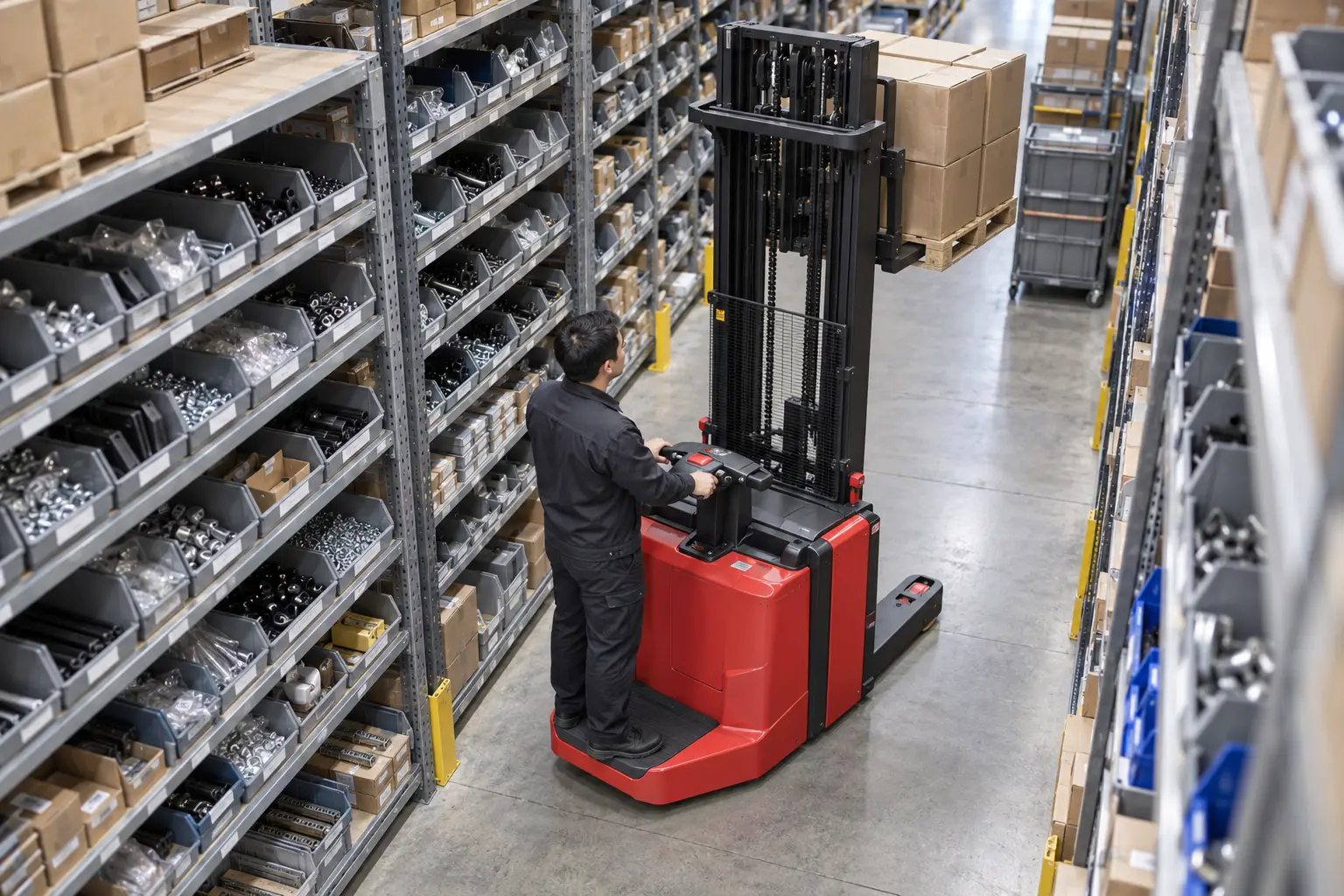
01 / MAP THE FLOW
Three movements.
Three equipment directions.
Begin with the task that repeats most often, then check whether one machine must cover more than one movement.
Move pallets
P Series powered travel and lifting close to floor level.
Explore P Series 02 / VERTICALStack pallets
S Series stand-on equipment for vertical pallet placement.
Explore S Series 03 / COUNTERBALANCELift & transport
E Series counterbalance handling across ten listed capacities.
Explore E Series02 / SITE SURVEY
Measure the route
from end to end.
The tightest turn, lowest doorway or steepest transition can be more important than the average aisle.
Load dimensions, pallet entry, fork access, clearance and maximum weight.
Aisles, crossings, doors, people, surface changes, gradients and travel distance.
Rack opening, lift height, residual capacity, overhead clearance and visibility.
Shift length, charging windows, charger location and destination electrical supply.
Which values should be compared first?
Compare rated capacity and load centre, then lift height, body width, overall length and turning radius. Add lowered mast height, overhead guard, fork dimensions and ground clearance where the route requires them.
When should different equipment types be combined?
A pallet truck may support fast horizontal movement, a stacker may cover racking work, and a counterbalance forklift may serve loading and general lifting. The right mix depends on frequency, distance, lift and space—not the number of categories.
What should be confirmed in the quotation?
Confirm the exact model, capacity at the required load centre and height, mast, forks, attachments, tyres, battery and charger, destination specification, documents, packing and delivery terms.
Send a simple route sketch or measurements with the load, lift height, shift pattern, destination and quantity. ZJ can use that information to discuss a more focused direction.
GUIDES / PRACTICAL BUYER RESOURCES
Answers before
the quotation.
Use these practical guides to prepare better questions, compare categories and create a clearer equipment brief.
 01 / SELECT
Forklift selection guide
A practical sequence for load, lift, space, power and configuration decisions.
Read the guide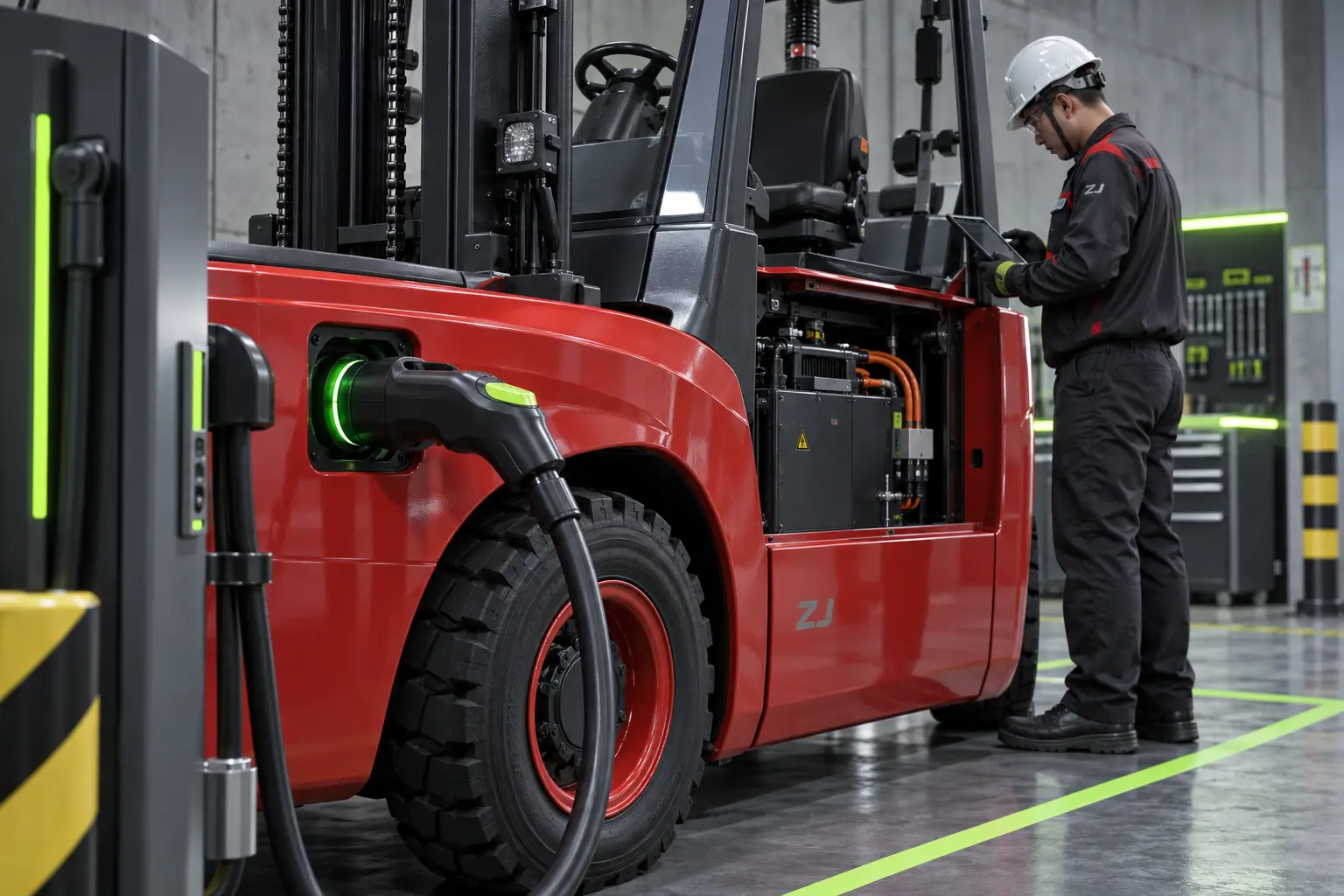 02 / ENERGY
Lithium equipment
Match the battery, charger, shift pattern and destination supply before choosing a model.
Read the guide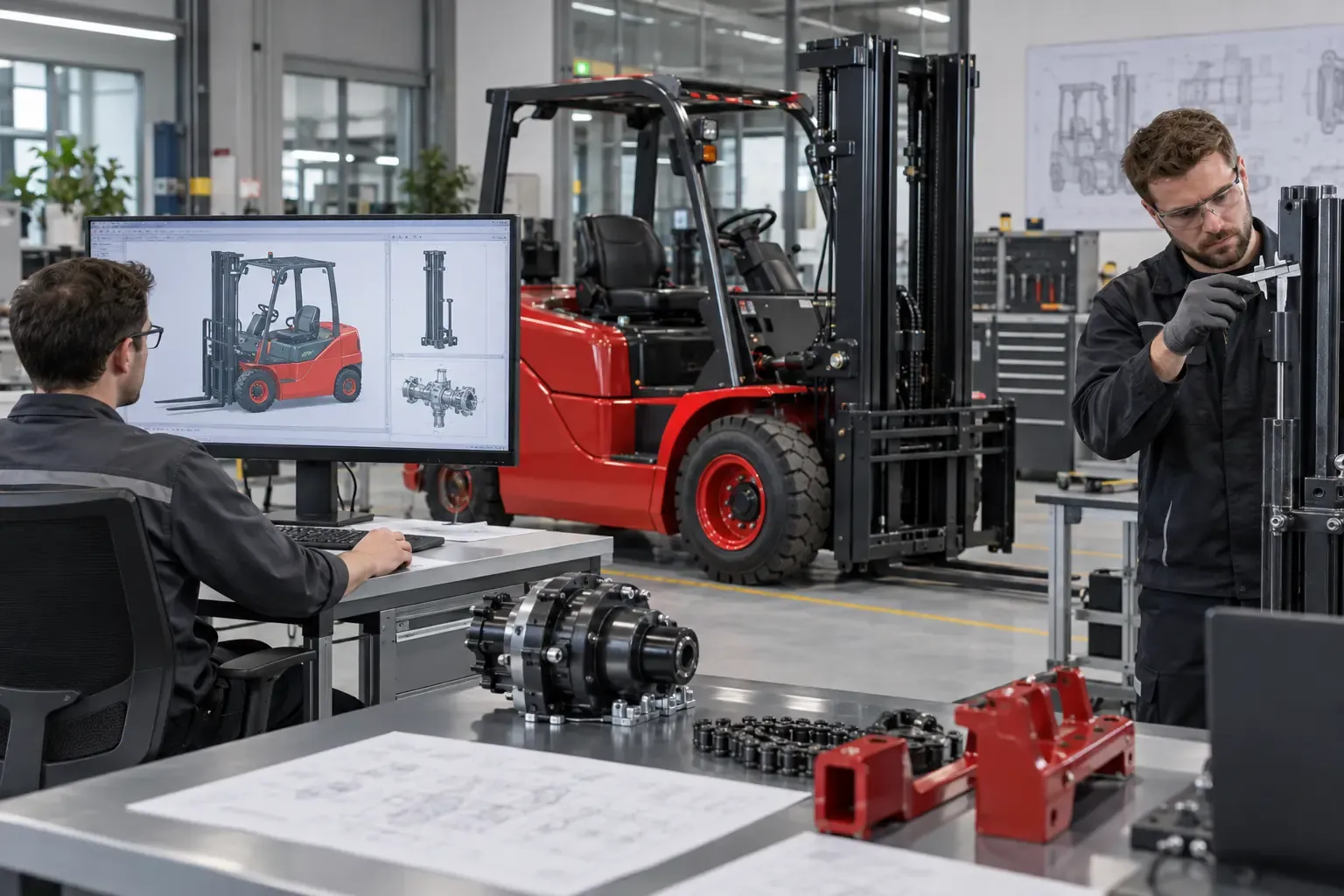 03 / CUSTOMISE
OEM & ODM solutions
Connect the base model, technical package, branding, documents and delivery scope.
Read the guide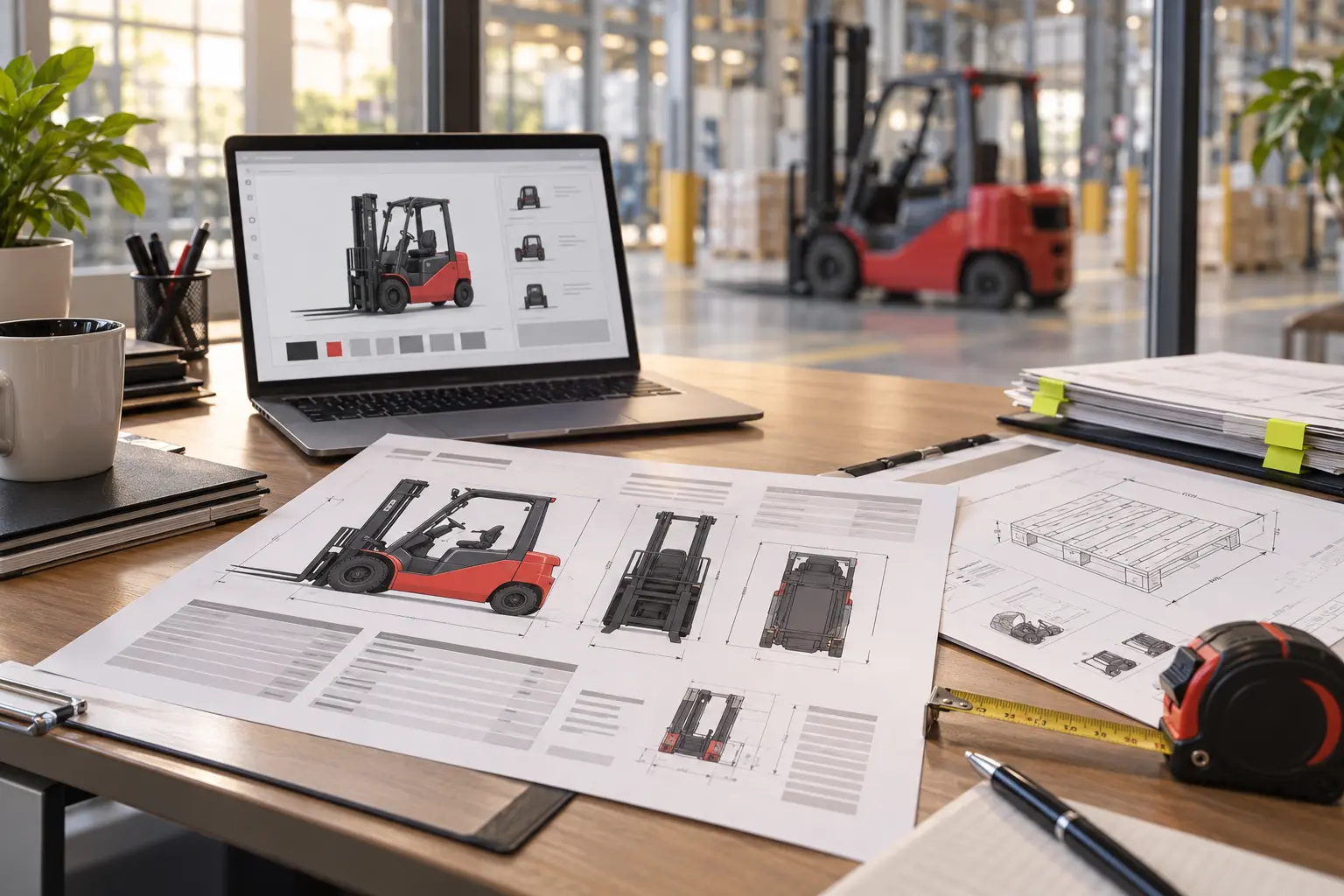 04 / PREPARE
Download centre
Use the ZJ requirement worksheet and request current model documents.
Read the guideYOUR NEXT MOVE STARTS HERE
LET’S LIFT
YOUR AMBITION.
Tell us what you move. We’ll start with your requirements.
ZJ