BUYER GUIDE / UPDATED 9 SEPTEMBER 2026
Choose the forklift
around the work.
A model number is the end of the selection process, not the beginning. Start with the load, lift, route, work pattern and destination.

THE DECISION SEQUENCE
Six inputs create
a useful shortlist.
Rated capacity alone does not establish suitability.
Capacity works together with load centre, lift height, mast and attachment choice. The machine must also fit the complete route and the operating pattern around it.
Load
Maximum weight, load dimensions, stability, load centre and any unusual shape.
Lift
Normal and maximum lift height, lowered mast clearance and overhead restrictions.
Route
Aisle width, turning areas, doors, gradients, floor joints and loading zones.
Work pattern
Hours per shift, number of shifts, travel distance, charging windows and outdoor exposure.
Power direction
Compare electric, lithium, diesel, dual-fuel or manual equipment against the real duty and infrastructure.
Configuration
Fork length, mast, attachments, tyres, operator position and destination requirements.
Model verification
Compare capacity at the required load centre and height, then verify dimensions against the route.
Quotation & delivery
Confirm quantity, destination, documents, packing, timing, support and commercial terms.
01 / LOAD & CAPACITY
Read the load
as a complete object.
Record the maximum actual load, its dimensions, how its centre of gravity sits and whether an attachment changes the load moment.
The stated capacity applies under defined conditions. It is not a universal safe load at every height or load centre.
A longer or offset load can move the centre of gravity forward and change the capacity available.
Ask for capacity at the required height, particularly when using a taller mast or an attachment.
Record the tightest point from pickup to placement.
Measure clear aisle width, door width and height, turning spaces, rack faces, dock plates, ramps and overhead restrictions. Compare these measurements with the truck body, overall length, turning radius, lowered mast and overhead guard.
Match tyres and clearance to the surface.
Floor condition affects stability, vibration, traction and clearance. Note damaged concrete, expansion joints, debris, gradients and transitions between indoor and outdoor areas.
Define the power plan.
For electric equipment, discuss battery type, capacity, charger and available charging windows. For diesel equipment, confirm ventilation, destination engine and emissions requirements, fuel arrangements and local operating rules.
Load weight and dimensions · load centre · lift height · aisle and doorway measurements · surface and gradient · shift pattern · destination · quantity · requested attachments.
GUIDES / PRACTICAL BUYER RESOURCES
Answers before
the quotation.
Use these practical guides to prepare better questions, compare categories and create a clearer equipment brief.
01 / SELECTForklift selection guide
A practical sequence for load, lift, space, power and configuration decisions.
Read the guide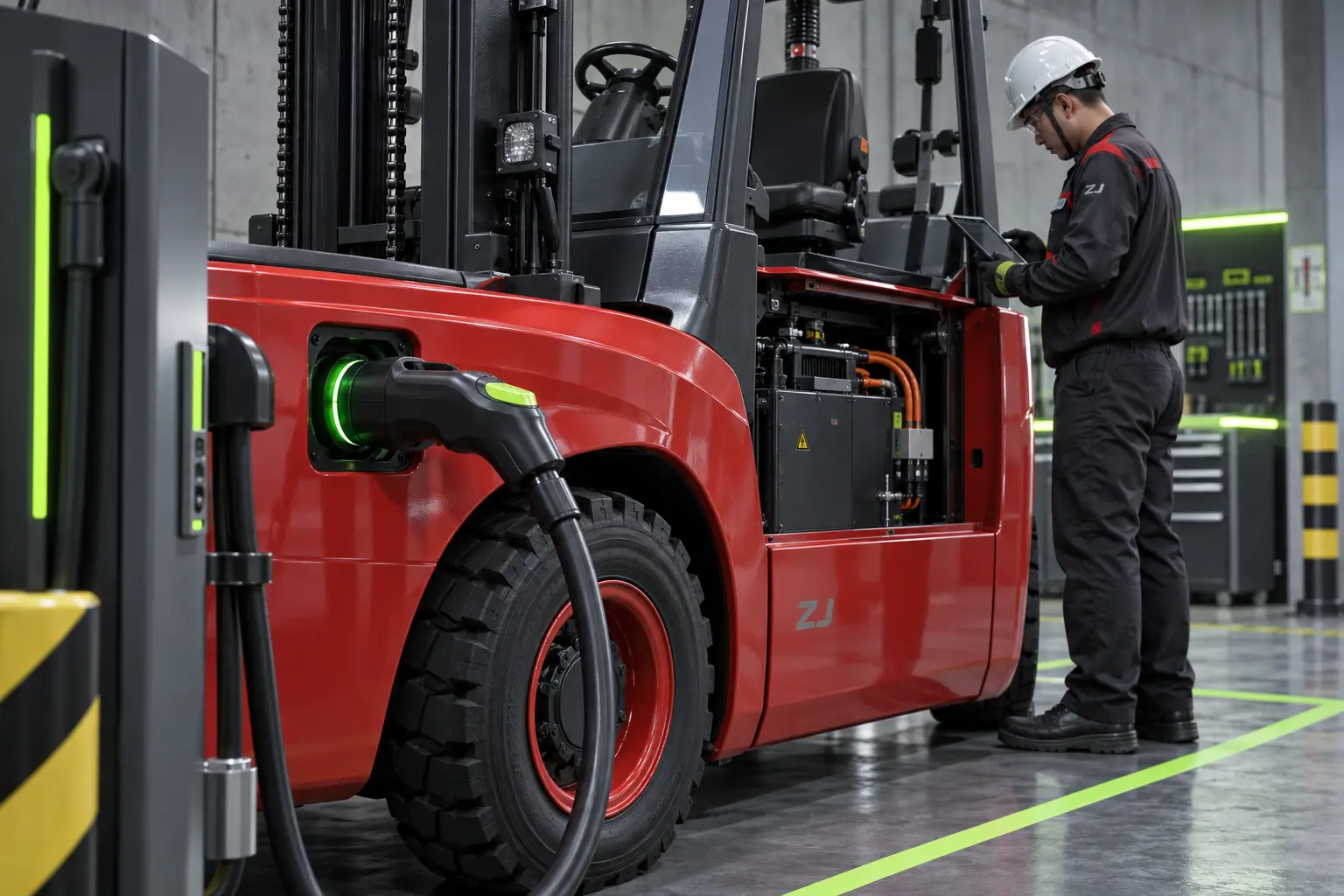 02 / ENERGY
Lithium equipment
Match the battery, charger, shift pattern and destination supply before choosing a model.
Read the guide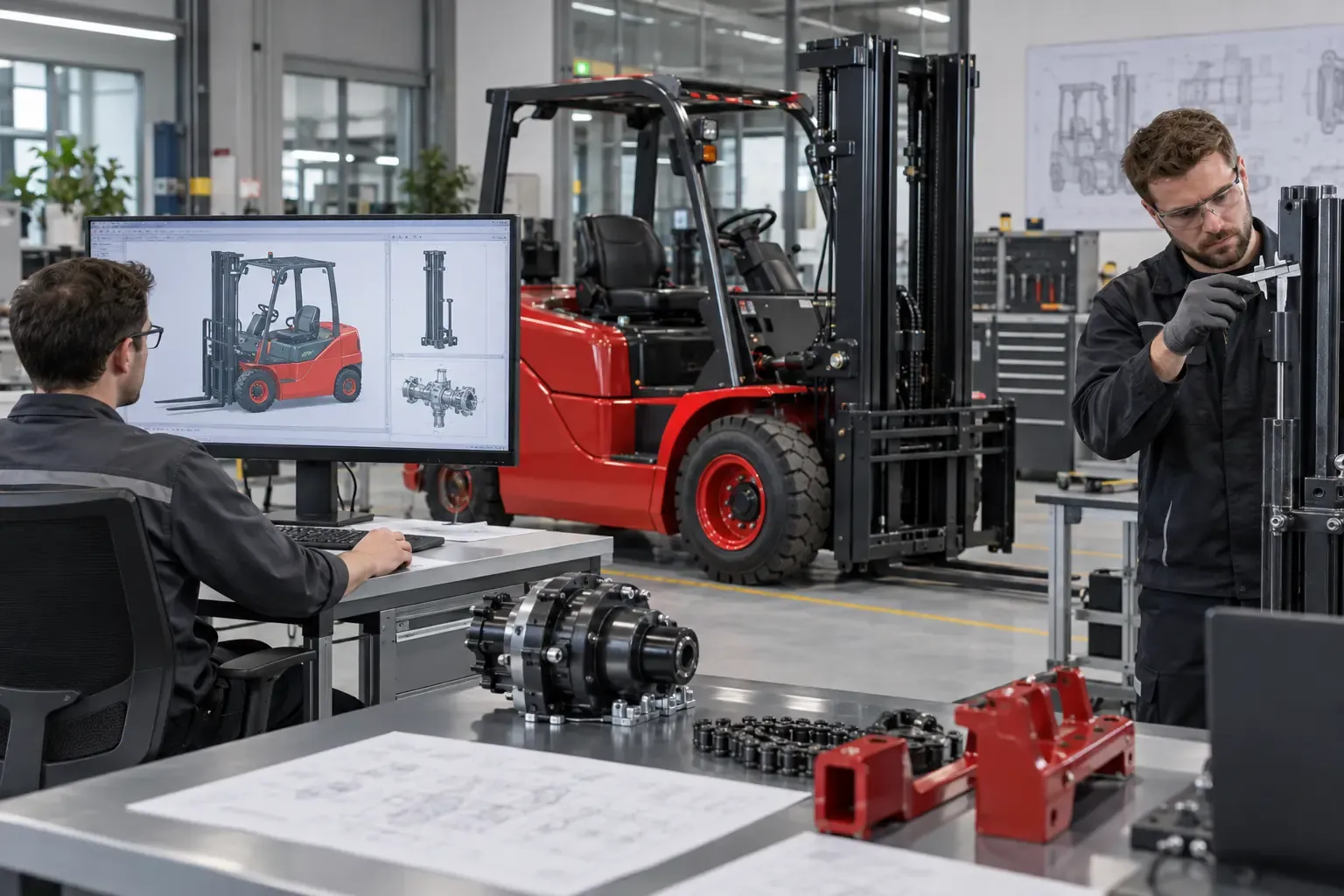 03 / CUSTOMISE
OEM & ODM solutions
Connect the base model, technical package, branding, documents and delivery scope.
Read the guide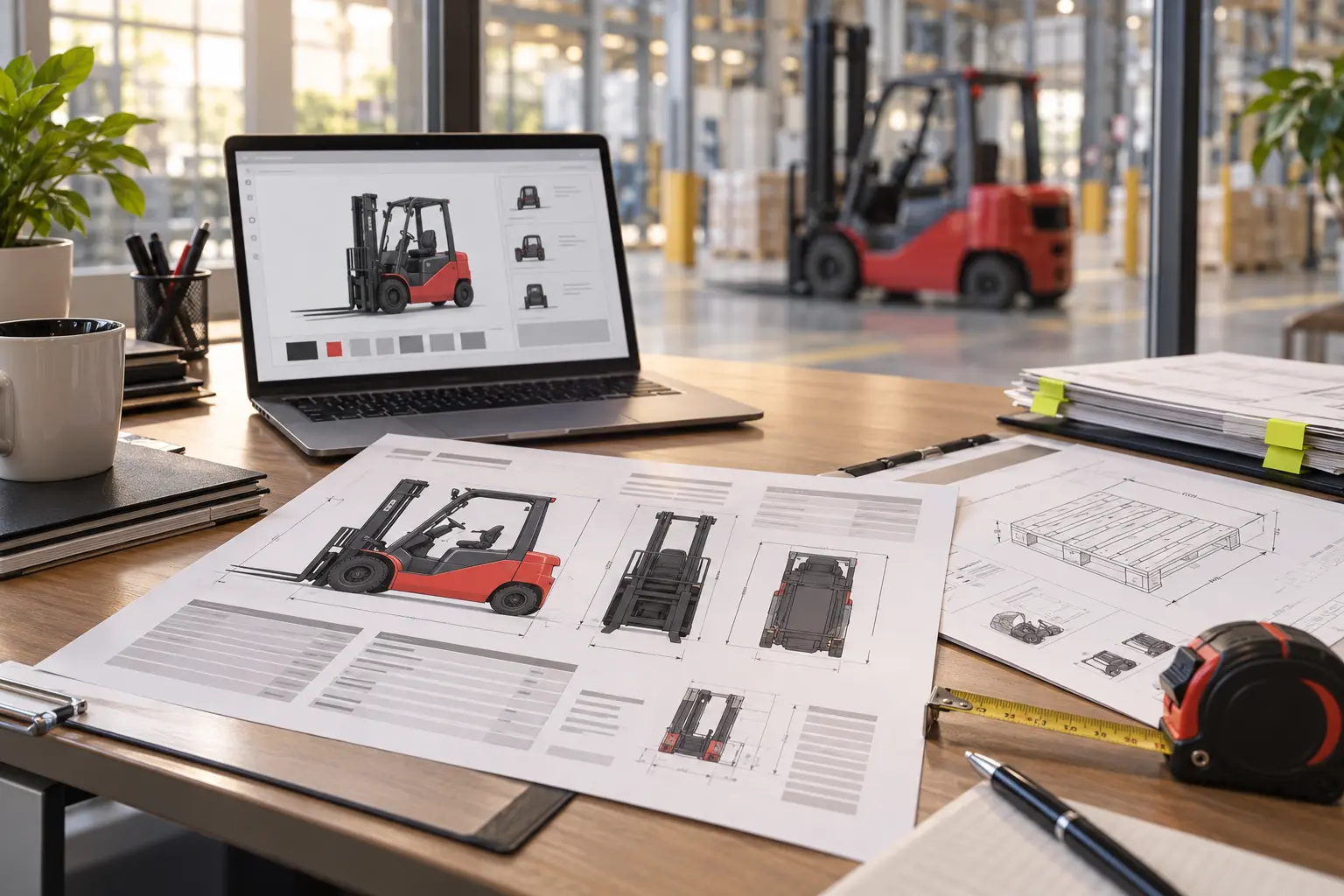 04 / PREPARE
Download centre
Use the ZJ requirement worksheet and request current model documents.
Read the guideYOUR NEXT MOVE STARTS HERE
LET’S LIFT
YOUR AMBITION.
Tell us what you move. We’ll start with your requirements.
ZJ